This article contains affiliate links. If you purchase through these links, we may earn a small commission at no extra cost to you. We only recommend products that meet our quality and performance standards.
Choosing the right microphone for streaming, podcasts, and content creation is essential in 2025. A good mic ensures your voice sounds professional, clear, and enjoyable to your audience. Below are our top 5 recommended microphones, selected for quality, performance, and value for creators of all levels.
5. Shure SM7B
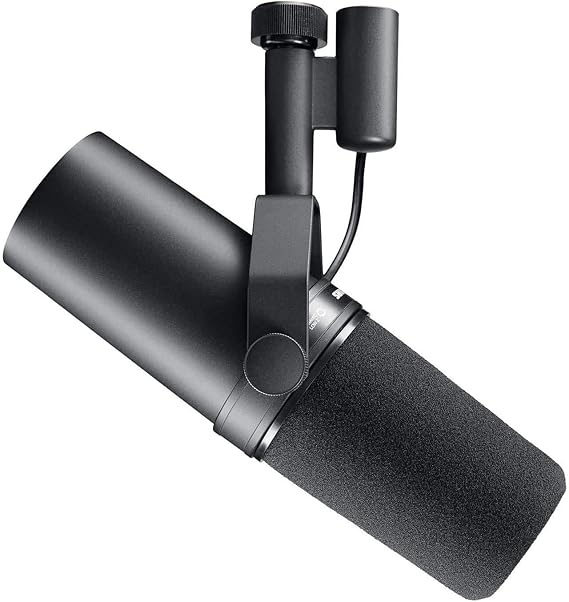
The Shure SM7B is a broadcast-quality dynamic mic and the gold standard for streamers, podcasters, and vocalists. It rejects background noise and delivers warm, natural sound, making it perfect for professional recordings.🔗 View on Amazon
4. Audio-Technica AT2020

An excellent entry-level condenser microphone, the AT2020 offers professional-quality sound at an affordable price. Works perfectly with a basic audio interface for beginners and intermediate creators.🔗 View on Amazon
3. Blue Yeti X

A plug-and-play USB microphone, the Blue Yeti X features multiple pickup patterns and real-time gain control. Perfect for streamers and podcasters who want professional sound without an audio interface.🔗 View on Amazon
2. Rode NT1-A

Renowned for ultra-low self-noise, the Rode NT1-A captures vocals and instruments with incredible detail and clarity. Ideal for studio-level recordings in treated spaces.🔗 View on Amazon
1. Sennheiser MK4

The Sennheiser MK4 is a high-end condenser microphone made for serious creators. It delivers clear, accurate sound with zero fuss, perfect for podcasts, streaming, or recording voiceovers.
How to Choose the Best Microphone for Streaming, Podcasts, and Content Creation
-
Dynamic vs. Condenser
-
Dynamic mics (like the Shure SM7B) are less sensitive, ideal for untreated rooms.
-
Condenser mics (like the NT1-A or AT2020) are more sensitive, perfect for treated studios.
-
USB vs. XLR
-
USB mics (like Blue Yeti X) are plug-and-play, no audio interface needed.
-
XLR mics require an interface but provide higher-quality sound and flexibility.
-
Noise Levels
-
Check for low self-noise for clean recordings, especially in home studios.
-
Pickup Patterns
-
Cardioid: Focused on your voice, reduces background noise.
-
Omni: Picks up sound from all directions, good for group recordings.
-
Bidirectional/Stereo: Ideal for interviews or multi-source recording setups.
Dynamic vs. Condenser
-
Dynamic mics (like the Shure SM7B) are less sensitive, ideal for untreated rooms.
-
Condenser mics (like the NT1-A or AT2020) are more sensitive, perfect for treated studios.
USB vs. XLR
-
USB mics (like Blue Yeti X) are plug-and-play, no audio interface needed.
-
XLR mics require an interface but provide higher-quality sound and flexibility.
Noise Levels
-
Check for low self-noise for clean recordings, especially in home studios.
Pickup Patterns
-
Cardioid: Focused on your voice, reduces background noise.
-
Omni: Picks up sound from all directions, good for group recordings.
-
Bidirectional/Stereo: Ideal for interviews or multi-source recording setups.
💡 Final Tip: Investing in a high-quality mic will transform your content and make your voice stand out. Whether you’re streaming live, recording a podcast, or producing music, choose a mic that matches your space, setup, and goals.